
End-to-end AP automation software is an attractive concept in accounts payable because it suggests the process is complete, visible, and controlled. In a function where invoices can arrive from anywhere, and approvals can disappear into inboxes, the promise of an end-to-end solution feels like relief.
The risk is that end-to-end is not a standard definition. In some vendor conversations, it means invoice capture and a dashboard. In others, it includes supplier onboarding, purchase orders, and sometimes payment execution. In the real world, most organisations do not need every possible capability under one label. They need a clearly defined scope that solves the workflow and control problems they actually have.
A practical definition of end-to-end AP automation for most Australian organisations is invoice receipt through to ERP posting, with consistent controls, approvals, exception handling, and audit evidence. Payment execution then follows the organisation’s established processes, typically in the ERP or treasury controls. This definition is simple, but it is powerful because it aligns with how finance governance is usually structured.
End-to-end AP automation software in practice
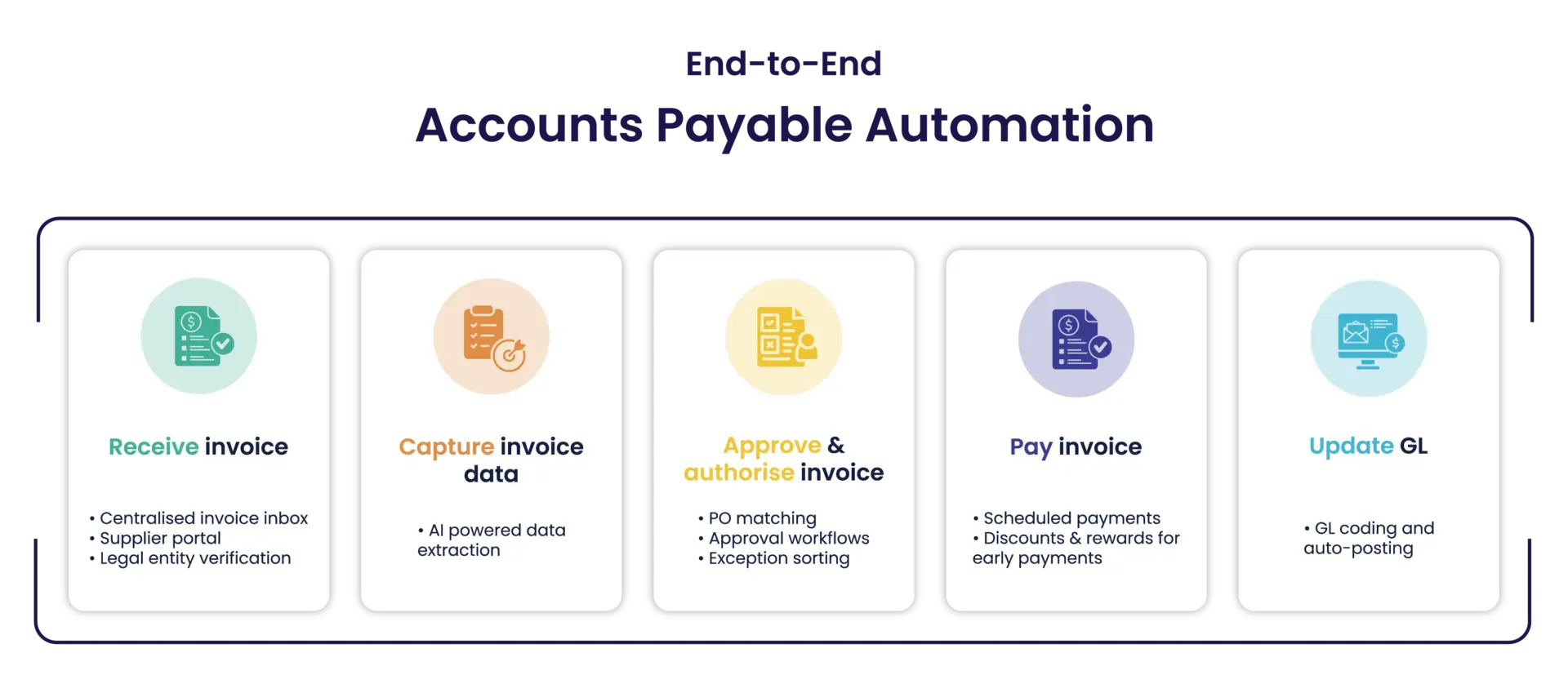
In practice, end-to-end means the invoice lifecycle is managed from the moment the invoice is received to the moment it becomes a recorded liability in the ERP. That includes how invoices are received, how data is captured, how validation is applied, how invoices are routed and approved, how exceptions are resolved, and how the evidence trail is retained.
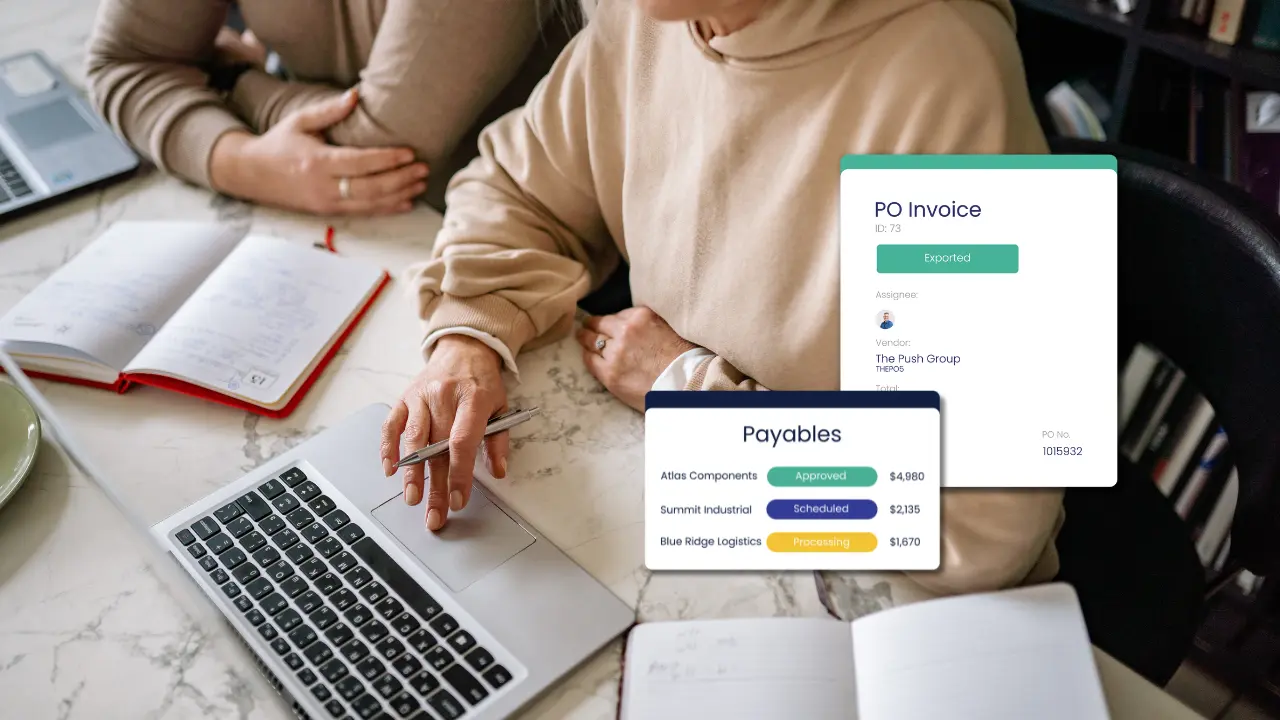
End-to-end should also mean end-to-end visibility. The business should be able to see where an invoice sits and who owns the next action. AP should be able to answer supplier status questions without searching across emails. Finance leaders should be able to see where bottlenecks form, and whether delays are caused by a few repeat events credible end-to-end design recognises that AP does not run a single uniform workflow. PO invoices typically need matching controls and sensible variance handling. Non-PO invoices need coding discipline, appropriate approvals, and supporting documentation. If a system treats these paths as identical, the organisation usually ends up either slow and rigid or fast and risky.
The practical goal is controlled flexibility. The process should route invoices based on risk and context, not based on who happened to receive the email. Exceptions should be visible and owned, not hidden and informally resolved.
Non-negotiable controls in AP automation
The core promise of AP automation is not speed. It is defensibility at scale. The controls that matter most are the ones that prevent avoidable loss and create evidence that stands up later.
That means approval authority must be enforced, not just recorded. Segregation of duties needs to be preserved. Duplicate invoices should be detected and blocked early. Exceptions should have structured categories and clear owners. Changes to coding and key fields should be traceable. Supporting documents should be retained in context and be searchable.
If these controls are weak, end-to-end automation becomes an operational convenience rather than a governance improvement, which is rarely what finance leaders actually need.
End-to-end AP automation software integrates with the ERP
In most organisations, the ERP remains the system of record. End-to-end AP automation should therefore integrate reliably and handle change cleanly. Suppliers change. Chart of accounts changes. Cost centres change. Approval structures change. The integration design needs to account for those shifts without collapsing into manual workarounds.
The best test is not whether integration exists. It is what happens when something fails. If a posting fails due to missing master data, what does the workflow do? Does the invoice pause with visibility and ownership, or does it disappear into a technical queue that AP cannot manage?
How to measure end-to-end AP automation outcomes
End-to-end outcomes are reflected in predictability and reduced chasing. AP teams should see fewer invoices sitting outside the system, fewer approvals lost in email, fewer escalations, and better evidence quality for audits and disputes.
It is also reasonable to measure operational stability. If exception rates decline over time because rules and upstream behaviour improve, that is a strong sign that the process is becoming mature rather than just faster.
Where software fits, late in the decision process
Software should be selected after workflow boundaries and controls are defined. Otherwise, the team risks configuring the system to replicate old habits. When you are clear on scope, you can evaluate whether a platform genuinely supports end-to-end processing from receipt to ERP posting, with controlled exceptions and defensible evidence.
Frequently Asked Questions
Does end-to-end AP automation include payments?
Typically no. In many organisations, AP automation covers invoice receipt through to ERP posting and approval evidence, while payment execution remains in the ERP or treasury process.
What’s the difference between end-to-end AP automation and invoice capture?
Capture is the receipt step. End-to-end includes validation, routing, approvals, exception handling, audit evidence, and reliable posting to the ERP.
Should end-to-end include purchase orders and supplier onboarding?
Only if those are part of your control problem. Many organisations get the biggest gain by fixing invoice workflow first, then adding PO discipline or onboarding, where it materially reduces exceptions and risk.
What does end-to-end visibility look like in practice?
It means AP and the business can see invoice status, owner, ageing, and exception reason without searching emails or spreadsheets.
What’s the quickest way to test whether a vendor’s end-to-end claim is real?
Ask what happens when something goes wrong: missing master data, a failed ERP post, a mismatch, or a dispute. The answer should include visibility, ownership, and a controlled workflow state rather than a technical queue.