
Accounts payable on the balance sheet appears as a current liability, representing supplier invoices that have been recognised as owed but not yet paid. For finance teams, the AP balance sheet figure is only reliable when invoices are captured, approved, and posted in the correct reporting period. The operational challenge is that the AP number depends on what has been processed and posted by the reporting cut-off. If invoices are sitting unapproved, disputed, or still in inboxes at month end, the balance sheet can understate liabilities.
This is why AP becomes a recurring pain point in month end close and audit preparation. The business expects the balance sheet to reflect reality. Finance teams often know reality is messier. Invoices can arrive late, approvals can lag, and disputes can sit in limbo. Without good visibility, the organisation relies on manual accruals and reconciliation effort to compensate.
This article explains where AP appears on the balance sheet, how it is recognised, and what disciplines keep the balance defensible.
Where accounts payable appears on the balance sheet
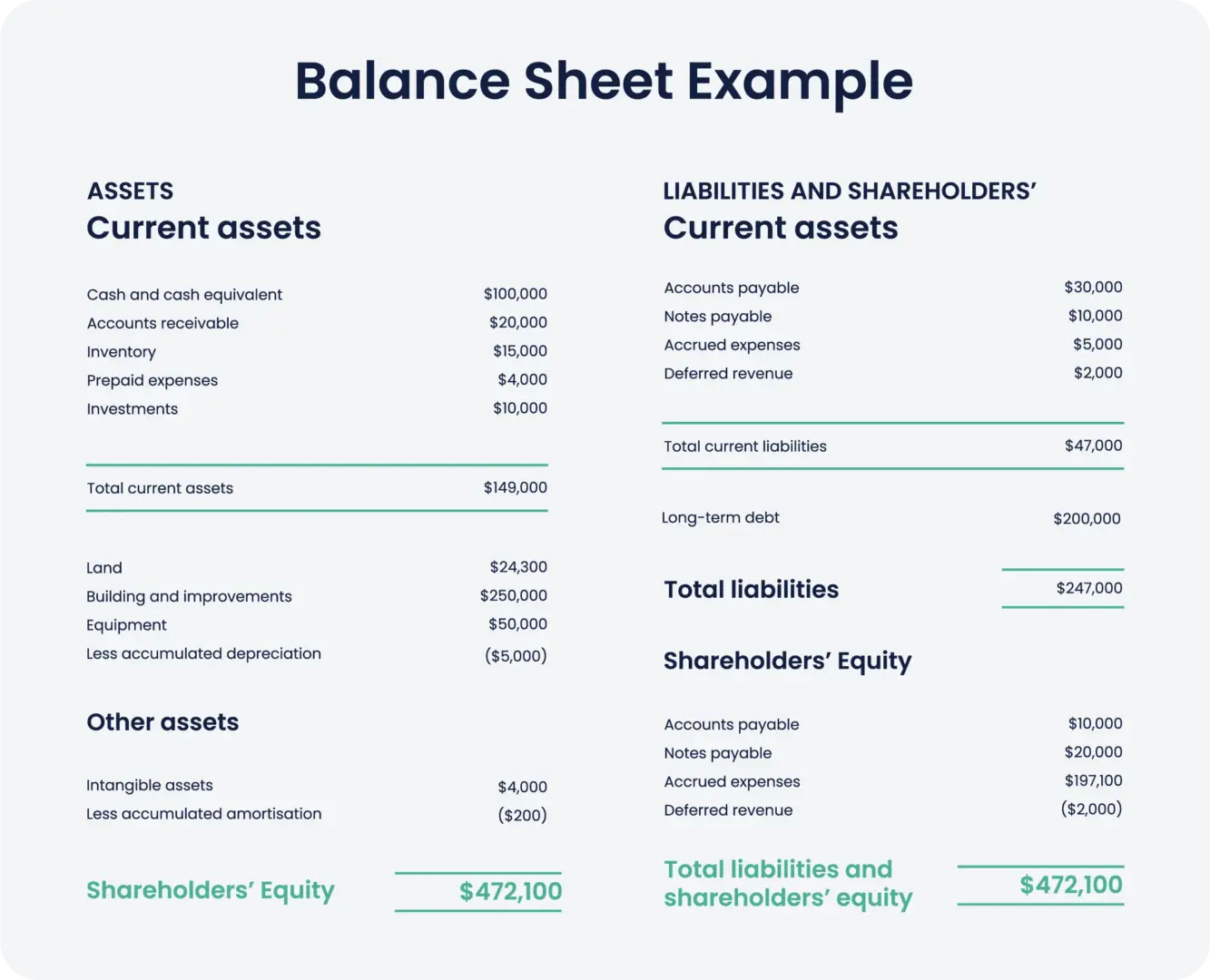
Accounts payable is presented under current liabilities because it is generally due within 12 months. Depending on the reporting format, it may appear as trade payables or be included within a broader trade and other payables line item.
The label matters less than the principle. The AP balance should represent genuine supplier obligations that exist at the reporting date and are supported by evidence.
Accounts payable and accrued expenses
The distinction between accounts payable vs accrued expenses matters because accounts payable usually relates to received supplier invoices, while accrued expenses estimate liabilities that have been incurred but not yet invoiced.
Accounts payable is typically invoice-based. It is driven by supplier invoices that have been received and recorded. Accrued expenses represent costs incurred where an invoice has not yet been received or where an amount must be estimated.
In practice, organisations with weak invoice receipt and slow approvals tend to lean heavily on accruals. This can be appropriate in some cases, but it often becomes a workaround for invoices that were received but not processed in time. That increases reconciliation effort and can reduce confidence in reporting.
When is an invoice recognised in accounts payable
Recognition depends on policy and system design, but most organisations recognise AP when the invoice is posted to the ERP. Posting usually requires correct coding, tax treatment, and approvals. That means the timing of approvals and the discipline of posting directly affects the completeness of the AP balance.
This creates a practical question at month end. How many invoices exist outside the ERP that relate to goods and services already received? If you cannot see them, you cannot assess completeness easily.
How do unapproved invoices create cut-off risk
Invoices sitting unapproved at period end can create reporting issues. If the goods or services have been received, the organisation may still have a liability, even if the invoice has not been approved. That liability might be captured through accruals, but accruals are only as accurate as the visibility the team has over what is outstanding.
When unapproved invoices are invisible, accruals become estimates based on partial information. That is where audit effort increases and finance teams spend time reconstructing what should have been captured.
How should disputed invoices be treated
Disputed invoices are a common grey area. If the organisation is not liable for the invoice amount because the goods or services were not delivered or the invoice is invalid, recognition may not be appropriate. If the dispute is administrative, such as missing documentation or coding disagreement, the underlying liability may still exist.
The only sustainable approach is to document disputes clearly, record the reason, and maintain evidence of resolution decisions. Without that, disputes sit outside the system, and the balance sheet treatment becomes hard to defend.
Accounts payable controls for accurate reporting cut-off
Balance sheet accuracy improves when invoice receipt is centralised, invoice status is visible, and approvals move within defined timeframes. When invoices are tracked from receipt, finance can see what is unposted, what is unapproved, and what is disputed. That visibility reduces the reliance on heroic manual reconciliation.
This is also where workflow discipline matters. A controlled process creates a consistent record of what exists outside the ERP and why. It is not just about processing speed. It is about completeness and evidence.
The role of accounts payable automation in balance sheet accuracy
AP automation, when done properly, improves balance sheet confidence because it reduces the number of invoices sitting outside the system and strengthens the evidence trail for those that remain in process.
By capturing invoices earlier, routing approvals through controlled workflows, and maintaining a clear audit trail, AP automation gives finance teams better visibility over liabilities before period end. This helps reduce reliance on manual accruals, improves reporting completeness, and gives auditors stronger evidence for how invoices were treated at cut-off.
Frequently Asked Questions
Is accounts payable always a current liability?
Usually, yes. It’s generally classified as current because it’s typically settled within 12 months, but presentation labels can vary (trade payables vs trade and other payables).
When does an invoice count in accounts payable for reporting?
In practice, when it is posted to the ERP. That’s why invoice approval and posting discipline directly affects balance sheet completeness.
Why can AP be understated at month-end even when spend is real?
Because invoices can be received but sitting unapproved or outside the ERP. Without visibility, the business leans on accruals and manual reconciliation.
Are disputed invoices included in accounts payable?
It depends on whether the liability is valid. The defensible approach is to document the dispute reason and maintain evidence of the resolution decision.
What’s a practical control to reduce cut-off issues?
Centralised receipt and workflow visibility so finance can see what is unposted, why it is unposted, and who owns the next step.